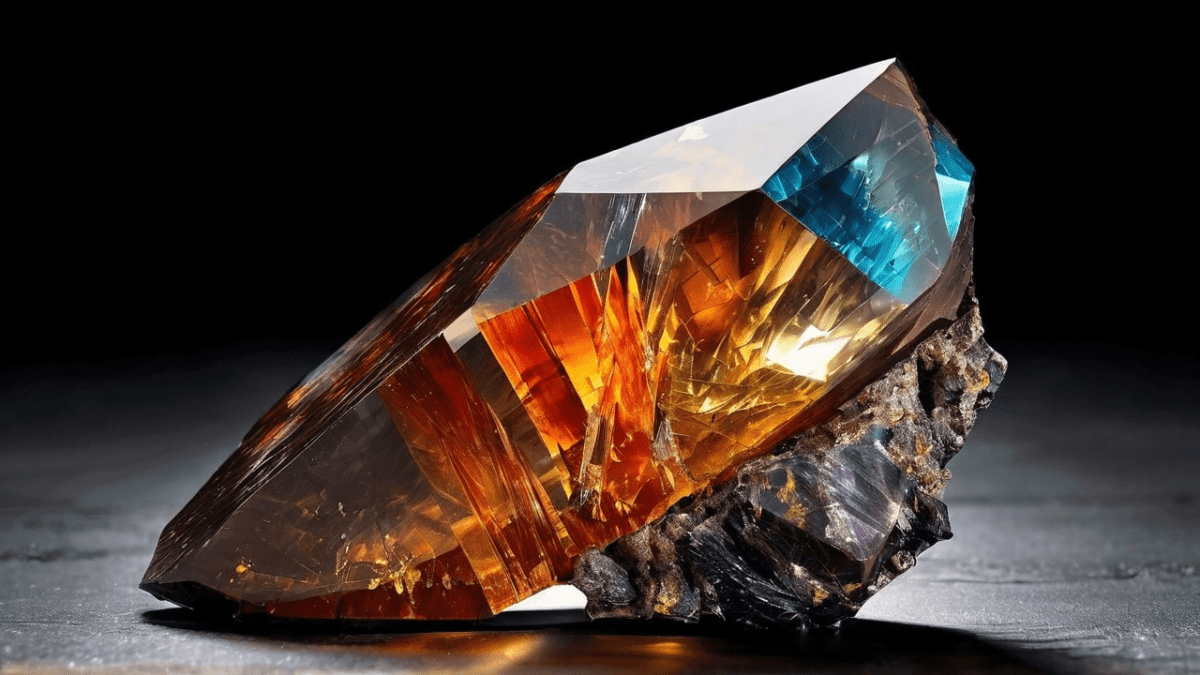
Gemstone cutting is a fascinating art that transforms raw stones into dazzling gems. Understanding the basics of gemstone cutting techniques is essential for anyone looking to excel in this craft. The process involves shaping and polishing the stone to bring out its natural beauty. Each piece of gem material has unique characteristics, so cutters must choose the right techniques that highlight its strengths.
One of the fundamental aspects of gemstone cutting is the choice of cut. Different cuts can affect the gem's appearance, brilliance, and overall value. For instance, round cuts are popular for their ability to reflect light, while emerald cuts offer a vintage appeal with their step-like facets. Learning about these various cuts is an integral part of mastering gemstone cutting techniques explained in detail.
In addition to the cut, the quality of the tools used can significantly impact the final outcome. Specialized equipment, such as lapidary wheels and polishing pads, is essential for achieving precise cuts and a smooth finish. Beginners should familiarize themselves with these tools and practice regularly to develop their skills. The more you practice, the more comfortable you will become with the techniques needed to create stunning gemstones.
Another key element is understanding how to evaluate the material before cutting. Each gemstone has specific properties, such as hardness and clarity, which influence how it should be handled. Knowing these characteristics helps in determining the best approach to cutting and polishing the stone. By immersing yourself in the details of gemstone cutting techniques explained, you will pave the way for creating extraordinary gems that stand out in any setting.
Tools for Gemstone Cutting Success
To achieve remarkable results in gemstone cutting, having the right tools at your disposal is essential. Beginners and experienced cutters alike can benefit from a well-equipped workspace that makes their tasks more manageable and efficient. The primary tools you will need include a high-quality gem saw, a faceting machine, and a variety of grinding wheels. These basics will serve as the foundation for your gemstone cutting techniques explained, ensuring each phase is executed with precision.
A gem saw is crucial for making initial cuts into rough stones. With a diamond blade, this tool allows you to slice through tough materials smoothly, reducing the likelihood of damaging the stone. After cutting, the faceting machine will take center stage in your process. This tool helps create the precise angles needed for maximum light reflection, yielding the stunning brilliance that gemstone enthusiasts seek.
In addition to these primary tools, you will also want to invest in a selection of polishing pads and laps. Polishing is a vital step in the gemstone cutting techniques explained, as it brings out the stone's luster. The right pads will help you achieve a flawless finish, making your gemstones not just well-cut but also visually stunning. Remember that patience and practice are critical—working with these tools will enhance your skills and lead to consistently beautiful results.
Essential Techniques for Precision Cuts
When it comes to gemstone cutting techniques, precision is key to achieving the stunning results that every gem enthusiast dreams of. A well-executed cut enhances the stone's natural beauty and maximizes its brilliance. To start, it's essential to understand the basics of measuring and marking your gem accurately. Use high-quality calipers and a steady hand to ensure you’re creating precise dimensions on your stone, which serves as the foundation for a perfect cut.
Once you have the measurements, choosing the right tools plays a crucial role in gemstone cutting. Diamond saws and laps are fundamental in shaping and polishing the stone. Start with a coarse grit to remove any rough edges and gradually move to finer grits for a polished finish. It’s vital to maintain a consistent technique while cutting to avoid any uneven surfaces, as this could detract from the overall look.
Consider the angles at which you cut your gemstones as well. Understanding how to create the ideal angles is one of the gemstone cutting techniques explained in various gemology courses. For example, too steep of an angle can cause the stone to lose its brilliance, while too shallow can result in a lack of sparkle. Striking the right balance is often achieved through practice and studying the unique properties of each gemstone.
Lastly, taking your time during the polishing phase can make a world of difference. Rushing this step often leads to unwanted scratches or dull patches. Use a series of polishing compounds and take care to polish each facet thoroughly. Not only will this enhance the visual appeal of your gemstone, but it will also ensure that your hard work in cutting and shaping is crowned with a stunning finish.
Polishing Your Gemstones for Brilliance
Polishing your gemstones is a crucial step in the gemstone cutting process that brings out their natural brilliance and luster. After carefully shaping and faceting your stone, the final step is to give it that eye-catching sparkle. The polishing stage is where your craftsmanship truly shines and can make all the difference in the final appearance of your gemstones.
To begin the polishing process, you'll need to choose the right tools and materials. A variety of polishing wheels and compounds are available, each suited for different types of gemstones. For softer stones like opal and emerald, a finer grit is often recommended, while harder stones such as diamonds may require a coarser grit. It's essential to understand the properties of the material you're working with to select the most appropriate gemstone cutting techniques explained for your polishing effort.
As you begin polishing, maintain a steady speed and apply even pressure to avoid uneven surfaces. Move the gemstone in a consistent, circular motion across the polishing wheel. This method helps to achieve a uniform finish and brings out the best in the stone's surface. Take your time, as rushing through this step can lead to imperfections that detract from the overall beauty of the gemstone.
After initial polishing, carefully inspect your work under different lighting conditions to check for any areas that may need additional attention. Sometimes, a stone may shine brightly under one light source but appear dull under another. By ensuring you address these minor flaws, you can elevate your finished pieces to an entirely new level, showcasing the true brilliance of your gemstone.
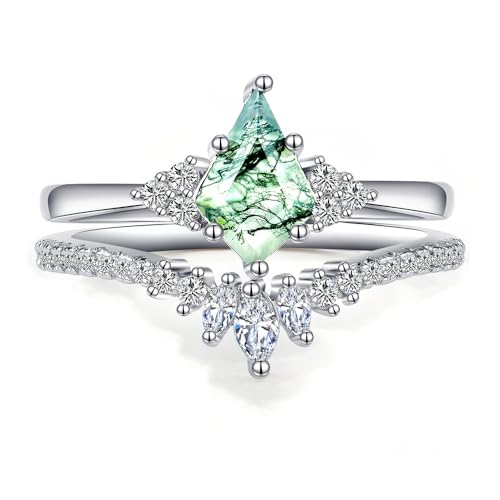
Moss Agate Engagement Ring in Sterling Silver
Discover the natural beauty and unique charm of our exquisite Moss Agate Engagement Ring, beautifully set in sterling silver
Product information
$49.99 $42.99
Product Review Score
4.27 out of 5 stars
125 reviewsProduct links
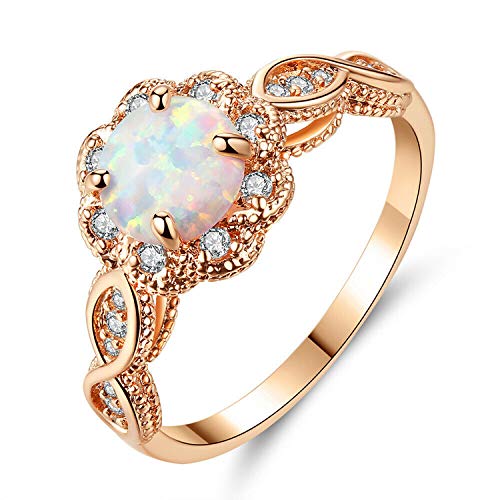
Elegant Opal Ring in 18K Rose Gold
Discover the enchanting allure of this stunning opal ring, beautifully crafted in luxurious 18K rose gold
Product information
$14.99
Product Review Score
4.81 out of 5 stars
77 reviewsProduct links
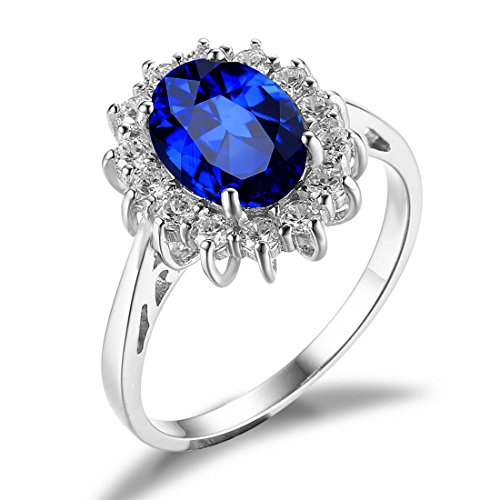
Sterling Silver Oval Sapphire Earrings for Women
Elegant and timeless, these sterling silver oval sapphire earrings are the perfect accessory for any occasion
Product information
Product Review Score
4.62 out of 5 stars
109 reviews