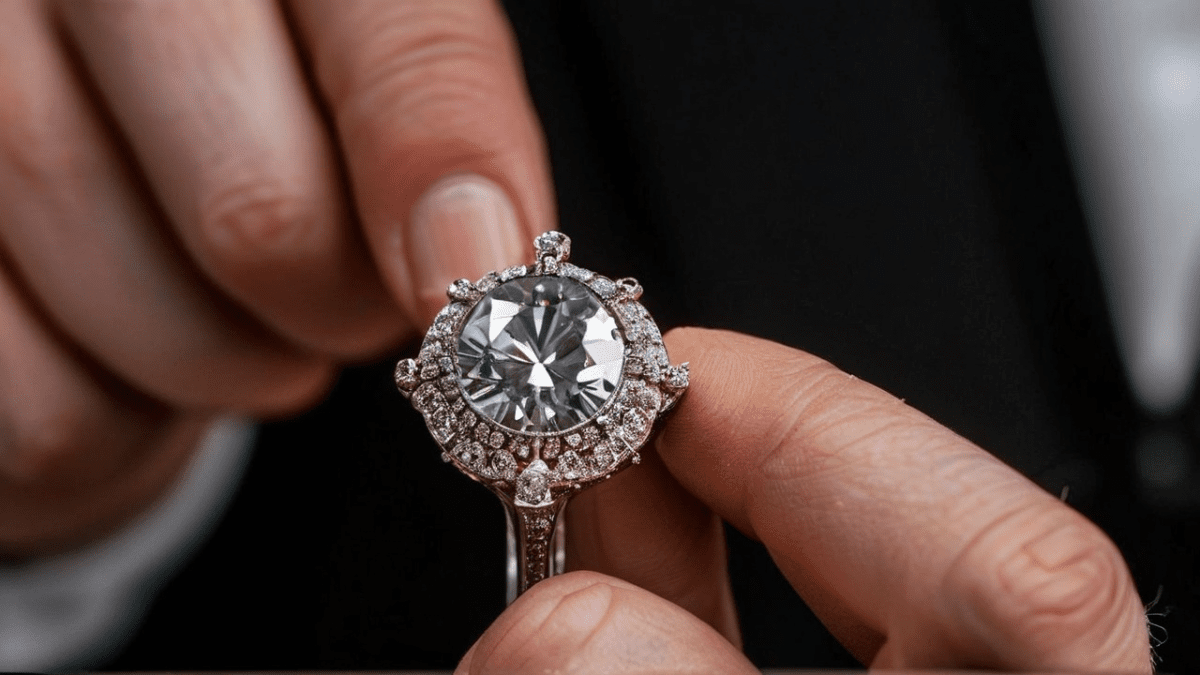
Understanding the basics of antique jewelry can significantly enhance your appreciation for these timeless pieces. Antique jewelry typically refers to items that are at least 100 years old, with styles reflecting the era in which they were made. Each piece tells a story of the past, often influenced by the cultural, social, and technological developments of its time. Learn more about gemstone identification. Recognizing these historical contexts can help you value antique jewelry more accurately.

A professional gemologist carefully examines an Victorian-era diamond ring using specialized equipment, demonstrating the detailed inspection process required for accurate antique jewelry valuation.
Market Value Trends in Antique Jewelry (2020-2024)
| Era | Average Price Increase | Most Sought-After Items | Market Demand |
|---|---|---|---|
| Victorian (1837-1901) | 15% | Mourning Jewelry | High |
| Art Nouveau (1890-1910) | 25% | Nature-Inspired Pieces | Very High |
| Art Deco (1920-1935) | 35% | Geometric Designs | Exceptional |
| Retro (1935-1950) | 12% | Gold Cocktail Rings | Moderate |
Factors That Affect Jewelry Value
When it comes to antique jewelry valuation, there are several important factors to consider. Understanding these antique jewelry valuation factors can help collectors and sellers alike determine the true worth of a piece. One of the primary elements that influences value is the age of the jewelry. Generally, the older the piece, the more valuable it can be, especially if it has historical significance or belongs to a particular era known for its craftsmanship.

Example of detailed view of antique jewelry hallmarks and symbols
Another crucial factor is the materials used in the jewelry. The quality of metals and gemstones directly impacts value. For instance, pieces made from gold or platinum with high purity levels tend to be more valuable than those made from lower-quality materials. Similarly, gemstones like diamonds, rubies, or sapphires that are of high grade and excellent cut can significantly enhance a piece's worth. Explore our comprehensive guide.
How to Identify Genuine Pieces
Identifying genuine antique jewelry can be a delightful but challenging process. With so many replicates and reproductions on the market, it's essential to know what to look for. One of the first steps in determining authenticity is examining the materials used. Genuine antique pieces often feature high-quality materials like precious metals and gemstones. Look for stamps or hallmarks that indicate the metal's purity, such as 14K or 18K for gold, which can be a good indication of authenticity.
Authentication Checklist:
- Certificate of Authenticity requirements
- Period-specific hallmarks
- Manufacturing techniques by era
- Historical documentation standards
Tips for Getting Accurate Appraisals
Getting an accurate appraisal for your antique jewelry can be a crucial step in understanding its true value. Whether you plan to sell, insure, or simply learn more about your precious pieces, knowing how to approach the appraisal process can make a significant difference. Discover our selection of investment-grade pieces.

Infographic displaying the value appreciation of different categories of antique jewelry over the past decade, with projected growth trends.
Investment Potential and Market Analysis
The antique jewelry market has shown remarkable resilience, with a compound annual growth rate of 8.2% since 2019. Key factors driving this growth include:
- Rarity and uniqueness
- Historical significance
- Condition and preservation
- Provenance documentation
- Craftsmanship quality
Market Statistics Worth Noting:
- 78% of antique jewelry collectors prioritize pieces from the Art Deco period
- Online sales of antique jewelry increased by 156% during 2020-2023
- Authentication certificates increase piece values by an average of 35%
Care and Maintenance Tips
Proper maintenance is crucial for preserving value:
-
Storage Recommendations
- Use individual soft cloth pouches
- Maintain stable humidity
- Avoid direct sunlight
-
Cleaning Guidelines
- Professional cleaning annually
- Gentle home cleaning methods
- Period-appropriate techniques
-
Insurance Considerations
- Regular appraisal updates
- Specialized coverage options
- Documentation requirements
Recommended External Resources:
- The British Museum - Jewelry Collection
- Gemological Institute of America - Antique Jewelry Guide
- Victoria and Albert Museum - Jewelry Collection
Conclusion
The world of antique jewelry valuation is both an art and a science, requiring careful attention to detail, extensive knowledge, and professional expertise. By understanding the key factors that influence value, learning to identify genuine pieces, and maintaining proper care of your antique jewelry, you can better appreciate and preserve these precious historical artifacts. Whether you're a collector, investor, or simply an enthusiast, the knowledge gained from this guide will help you make informed decisions about antique jewelry acquisition, preservation, and valuation. Remember that each piece tells a unique story, and its value extends beyond mere monetary worth to encompass historical significance and cultural heritage.
4.74 out of 5 stars
Vintage Women's Faux Moonstone Dangle Hook Earrings
Add a touch of elegance to your ensemble with these stunning vintage-inspired faux moonstone earrings
Product information
Product Review Score
Product links
$75.00
4.19 out of 5 stars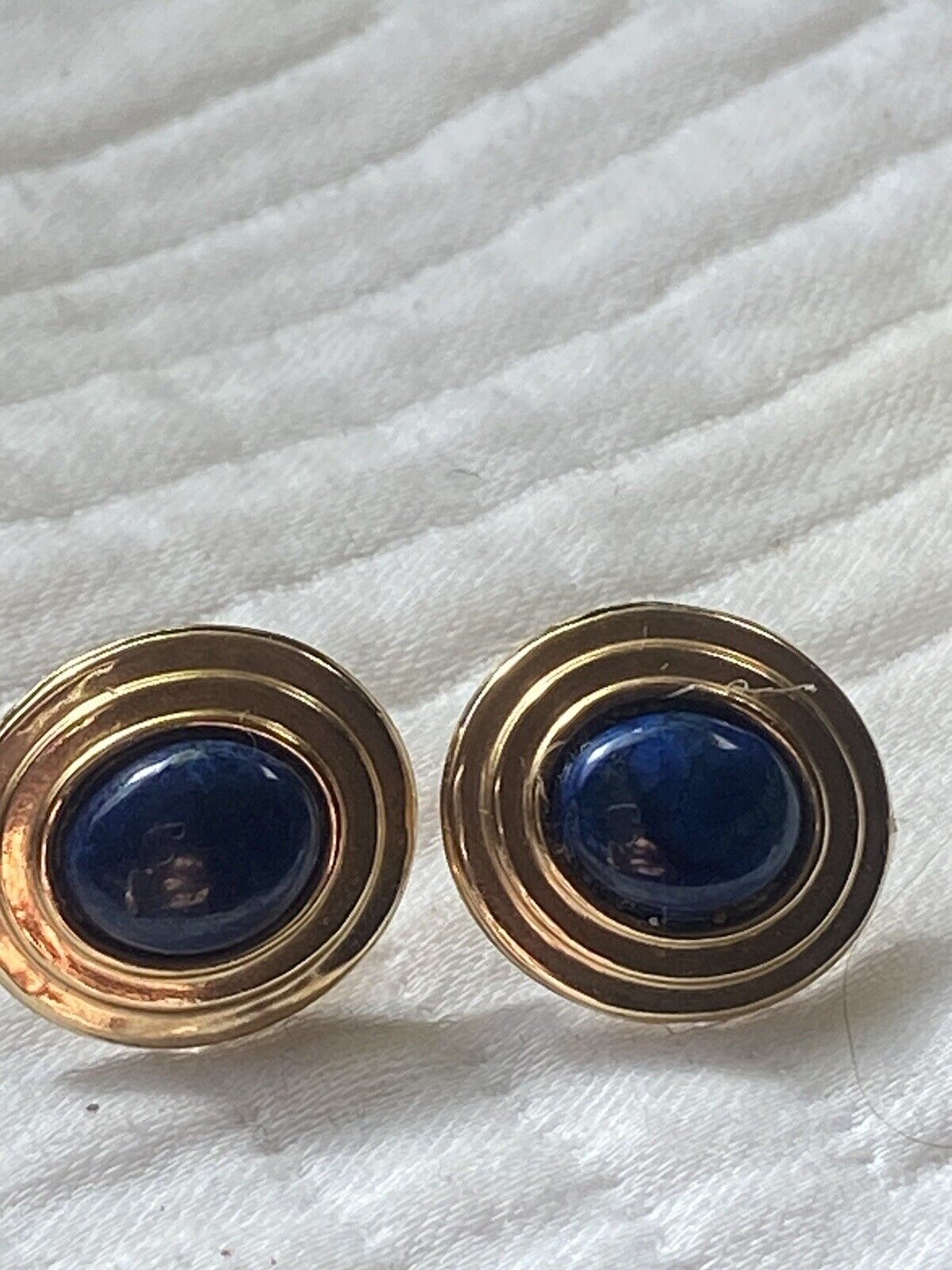
14k Vintage Lapis Lazuli Cabochon Earrings
Elevate your style with these timeless earrings featuring exquisite lapis lazuli in a stunning vintage design
Product information
Product Review Score
Product links
$45.99
4.42 out of 5 stars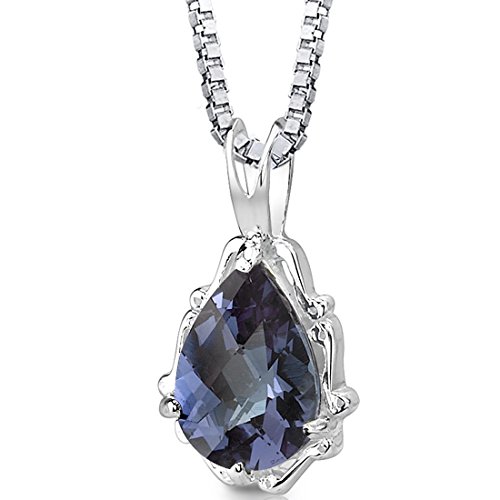
Vintage Teardrop Simulated Alexandrite Pendant Necklace
Discover the timeless elegance of our Vintage Teardrop Simulated Alexandrite Pendant Necklace, perfect for adding a touch of sophistication to any outfit
Product information
Product Review Score
Product links
