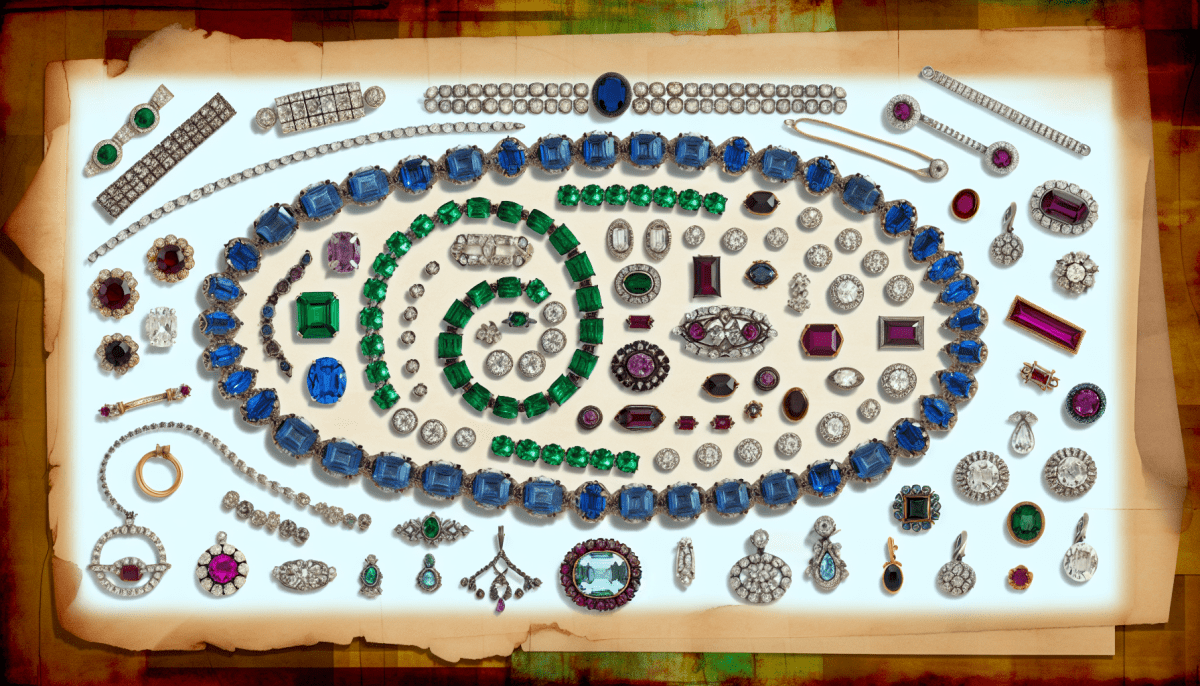
Gemstones have captivated human hearts for centuries, their natural beauty and vibrant colors making them a symbol of elegance and luxury. Each gemstone tells a story, formed deep within the Earth over millions of years. From the deep blue of sapphires to the radiant reds of rubies, these precious stones are more than just adornments; they are a testament to nature's artistry.
One of the most delightful aspects of gemstones is their variety. With hundreds of different stones to choose from, every piece of jewelry can be unique. For example, the earthy tones of opals can shift colors with the slightest change in light, while the clarity of a diamond can dazzle like no other. This incredible diversity allows individuals to express their personality and style through their choice of gemstones.
Beyond their aesthetic appeal, many gemstones are believed to possess special properties. Amethyst, for instance, is said to promote calmness and clarity of mind, while garnets are thought to inspire love and passion. Many people enjoy selecting stones that resonate with their personal beliefs or intentions, adding an extra layer of meaning to their jewelry.
With advances in technology, it’s now easier than ever to appreciate and acquire stunning gemstones. Jewelers offer a wide range of options, from ethically sourced stones to lab-created alternatives, making it possible for everyone to enjoy the beauty of gemstones. As you explore the world of gemstone jewelry, you will find that each piece has its own charm and significance, waiting to be discovered and cherished.
History of Gemstone Jewelry
As cultures evolved, so did their appreciation for gemstones. In ancient Greece and Rome, jewelry made from precious stones became a symbol of wealth and refinement. Gemstones were frequently set in gold and silver, creating exquisite pieces that showcased the craftsmanship of the time. The Greeks attributed various powers to different stones, while the Romans popularized the use of engraved gemstones, turning them into personalized signets that conveyed authority and identity.
The Middle Ages saw a resurgence in the use of gemstones, but this time, their significance expanded to encompass religious and spiritual dimensions. Jewelers crafted intricate rosaries and pendants, often adorning them with semi-precious stones like garnets and sapphires. These pieces were cherished not only for their beauty but also for the intrinsic meanings associated with each gem. The designs reflected the evolving styles of the period, moving from simple elegance to elaborate artistry.
As the Renaissance blossomed, gemstone jewelry entered a golden age. The meticulous cutting and polishing techniques were refined, giving rise to more brilliant and captivating pieces. This era witnessed a surge in personal expression, with individuals seeking unique designs that reflected their personalities. Jewels adorned with emeralds, rubies, and diamonds became staples of noble wardrobes, marking not just affluence but also a newfound appreciation for art in jewelry.
Choosing the Right Gemstone for You
One way to start your selection process is by examining your personal preferences. Do you have a favorite color? If so, look for gemstones in that hue. For example, if you love blue, you might consider sapphires or aquamarines. On the other hand, if you prefer warm, earthy tones, consider stones like citrine or garnet. Let your taste guide you in choosing a gem that makes you feel happy and confident.
Another factor to consider is the meaning behind each gemstone. Many stones are believed to carry special properties and symbolism. For instance, amethyst is often associated with calmness and balance, while emerald signifies love and rebirth. If you’re looking for a gemstone that reflects your personal beliefs or intentions, researching the meanings can help you find one that feels just right.
Finally, think about the occasion for which you’re choosing the jewelry. Are you looking for something casual to wear every day, or do you need an elegant piece for a special event? Some gemstones are better suited for everyday wear due to their durability, such as diamonds and rubies, while others, like opal, may be more delicate and better saved for special occasions. Understanding the practicalities of different gemstones can help you make an informed choice that fits your lifestyle.
Caring for Your Precious Gems
Gemstone jewelry holds a special place in many hearts, not just for its beauty but also for the memories it carries. To ensure your precious gems remain as stunning as the day you received them, proper care is essential. With a little attention and the right practices, you can keep your beloved pieces looking their best for years to come.
First and foremost, always store your gemstone jewelry separately. Scratches can occur when different pieces come into contact with one another, so it’s wise to use a soft pouch or a dedicated jewelry box with individual compartments. Additionally, keep your jewels away from extremes in temperature and humidity, as these can lead to damage over time.
When it comes to cleaning, gentle is the name of the game. Most gemstones can be cleaned using mild soap and lukewarm water, but avoid harsh chemicals or ultrasound cleaners, as they can harm certain stones. A soft, lint-free cloth will help you wipe away dirt and restore that brilliant shine. For intricate pieces, consider bringing your jewelry to a professional for a deep clean periodically.
Lastly, be mindful of when and how you wear your gemstone jewelry. Activities like swimming, exercising, or cleaning can expose your gems to risks. It’s best to take your treasures off before diving into activities that might cause physical damage. By following these simple guidelines, you can enjoy the allure of your gemstone jewelry without worry.
